
Introduction
For any dental clinic aiming to stand out in a competitive market, two pieces of equipment hold unmatched importance: the dental chair and the dental handpiece. The dental chair isn’t just a place where patients sit during treatments—it’s the core of their experience, shaping how they feel about your clinic from the moment they walk in. Meanwhile, the dental handpiece, working in tandem with the dental chair, ensures dentists can deliver precise, efficient care. Together, they form the backbone of a high – performing dental clinic, impacting everything from patient satisfaction to clinical productivity. In this blog, we’ll dive deep into how to choose and leverage these key tools to take your dental clinic to the next level.
1. Choosing the Perfect Dental Chair: A Guide for Dental Clinics
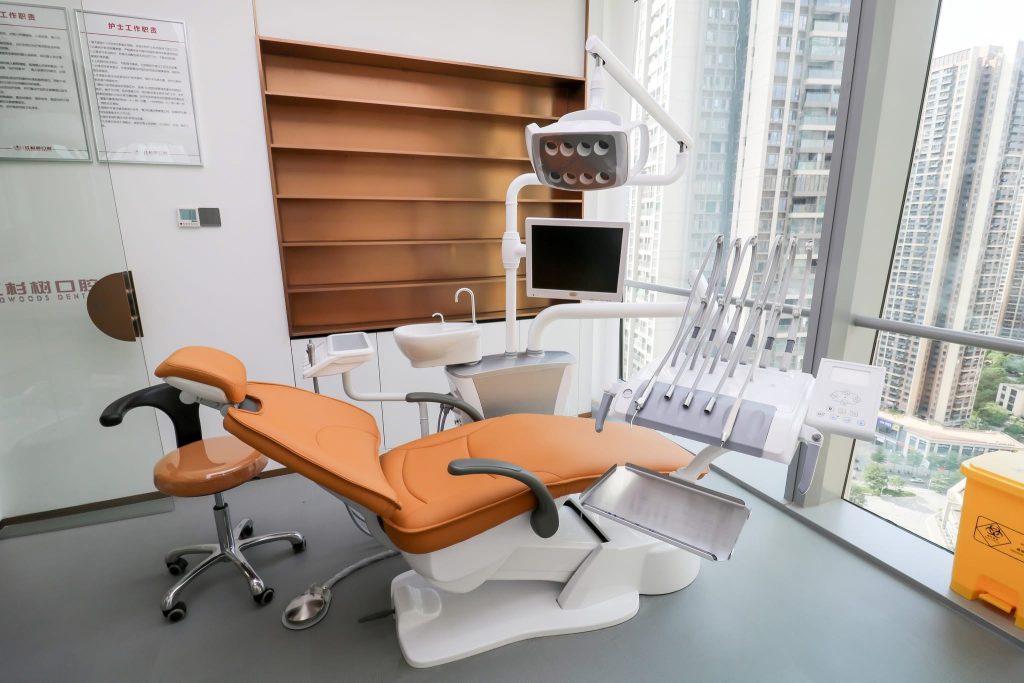
1.1 Why Dental Chair Selection Matters for Patient Retention
A study by the American Dental Association (ADA) found that 68% of patients are less likely to return to a dental clinic if they had an uncomfortable experience with the dental chair. This statistic highlights just how crucial the dental chair is for patient retention. For a dental clinic, keeping patients coming back is essential for long – term success, and the dental chair plays a big role in that. Patients who feel comfortable in the dental chair are more relaxed during treatments, less anxious about future visits, and more likely to recommend your clinic to friends and family.
1.2 Key Features of a Dental Chair for Different Dental Clinic Needs
1.2.1 Patient – Centric Features
When it comes to patient comfort, look for a dental chair with soft, supportive padding that conforms to the body’s shape. Adjustable headrests are another must – have, as they allow patients to find a position that reduces neck strain during treatments. Some advanced dental chairs even come with built – in massage functions, which can further ease patient anxiety. For example, the [A – Dec 500 Dental Chair](https://www.a – dec.com/) offers customizable padding and a wide range of headrest adjustments, making it a popular choice for dental clinics focused on patient comfort.
1.2.2 Clinical Efficiency Features
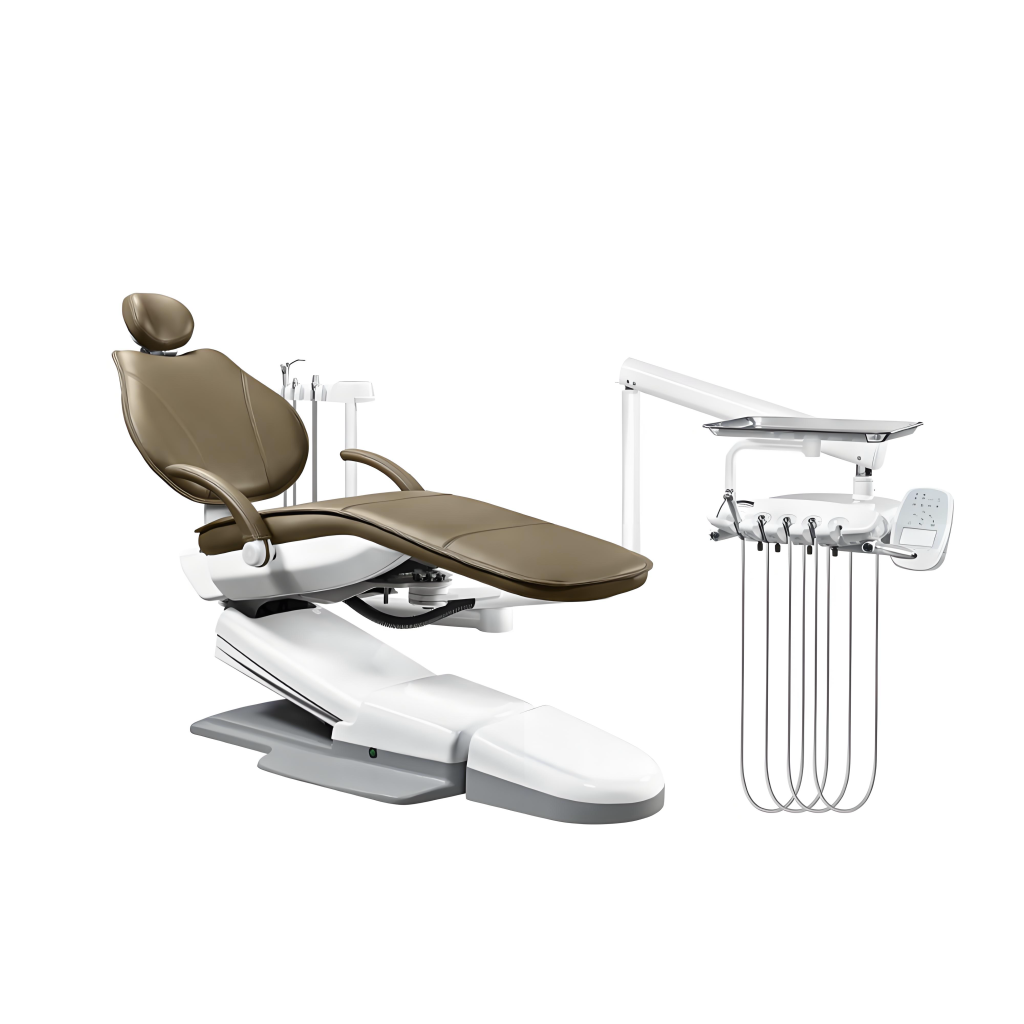
For dentists, a dental chair that enhances efficiency is invaluable. Precise height adjustment is key, as it allows dentists to work at a comfortable level without hunching over. Tool integration systems are also important—they keep dental handpieces and other essential tools within easy reach, reducing the time dentists spend reaching for equipment. The Planmeca Sovereign Classic Dental Chair is designed with these features in mind, featuring smooth height adjustment and integrated tool trays that work seamlessly with most dental handpieces.
1.2.3 Durability for Long – Term Dental Clinic Use
Dental clinics see a high volume of patients every day, so a durable dental chair is a smart investment. Look for chairs made from high – quality materials that can withstand daily wear and tear, such as stainless steel frames and stain – resistant upholstery. For pediatric dental clinics, where chairs may be subjected to more rough handling, chairs with reinforced armrests and scratch – resistant surfaces are a good choice. The Midmark M11 Dental Chair is known for its durability, with a heavy – duty frame that can support up to 500 pounds and upholstery that resists stains and tears.
1.3 Matching Dental Chair to Dental Clinic Type
Not all dental clinics have the same needs, so it’s important to match the dental chair to your clinic’s specialty. A cosmetic dental clinic, for example, may benefit from a dental chair with better lighting and a more adjustable position to help dentists achieve precise results. A pediatric dental clinic, on the other hand, may want a dental chair with a fun, colorful design to appeal to kids. Use the table below as a guide:
- Dental Clinic Type
Recommended Dental Chair Features - Cosmetic Dental Clinic
- Adjustable lighting, precise position control, comfortable headrest
- Pediatric Dental Clinic
- Colorful design, reinforced structure, easy – to – clean upholstery
- General Dental Clinic
- Balanced comfort and efficiency, durable materials, tool integration
Figure 1: Dental Clinic Type and Recommended Dental Chair Features. Alt text: “Dental Clinic Type and Recommended Dental Chair Features Table for Dental Chair Selection”
2. Integrating Dental Chair and Dental Handpiece for Optimal Clinic Performance
2.1 The Synergy Between Dental Chair and Dental Handpiece
The dental chair and dental handpiece work together to create a smooth, efficient treatment process. A well – positioned dental chair allows dentists to hold the dental handpiece at the correct angle, reducing hand fatigue and improving precision. For example, during a filling procedure, the dental chair can be adjusted to tilt the patient’s head slightly, making it easier for the dentist to use the dental handpiece to remove decay. When these two tools are properly integrated, treatments take less time, and the quality of care improves.
2.2 Choosing a Dental Handpiece That Works With Your Dental Chair
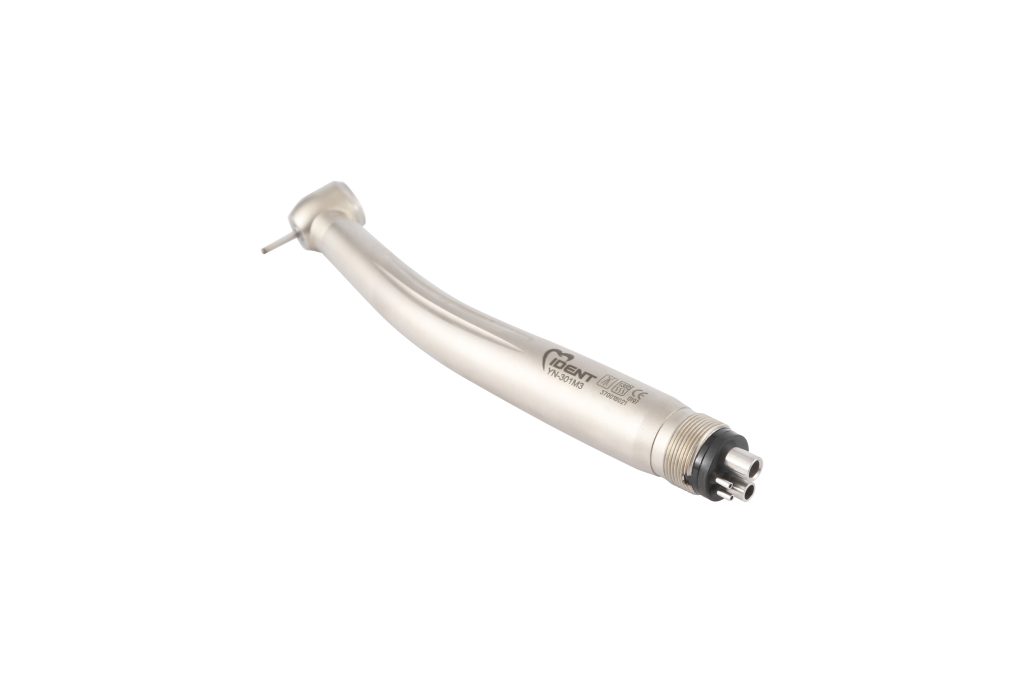
Not all dental handpieces are compatible with every dental chair. When selecting a dental handpiece, consider factors such as the chair’s tool tray size, power source, and attachment points. The KaVo TurboTorque Dental Handpiece is compatible with most modern dental chairs, featuring a compact design that fits easily in standard tool trays and a powerful motor that works with a variety of chair power systems. It’s also important to choose a dental handpiece that’s lightweight, as this reduces dentist fatigue during long procedures.
2.3 Maintenance Tips for Dental Chair and Dental Handpiece
Proper maintenance is essential to keep both the dental chair and dental handpiece in good working order. For the dental chair, wipe down the upholstery daily with a mild disinfectant to prevent the spread of germs. Check the chair’s moving parts, such as the height adjustment mechanism, monthly to ensure they’re working smoothly. For the dental handpiece, follow the manufacturer’s instructions for cleaning and lubrication. Most dental handpieces require daily lubrication to keep the motor running efficiently and prevent wear and tear. The Dentsply Sirona Handpiece Maintenance Kit provides all the tools needed to keep dental handpieces in top condition.
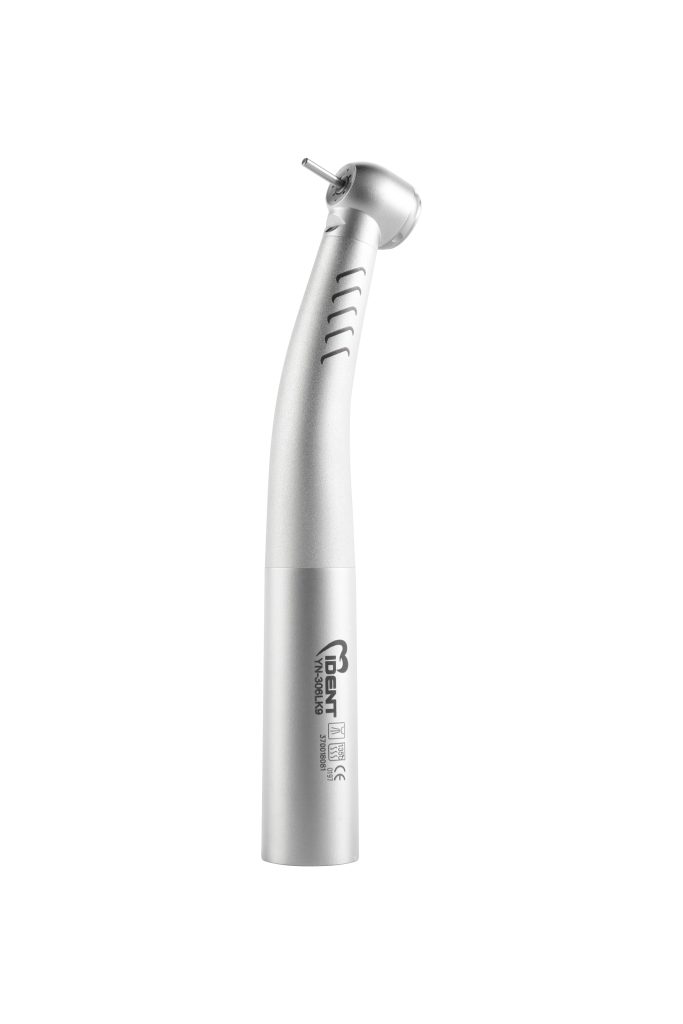
Figure 2: Dental Chair and Dental Handpiece Maintenance. Alt text: “Dental Professional Performing Maintenance on Dental Chair and Dental Handpiece”
3. Enhancing Patient Experience with Dental Chair and Dental Handpiece
3.1 Reducing Dental Anxiety Through Dental Chair Design
Dental anxiety is a common problem, but the right dental chair can help ease it. Look for a dental chair with a wide seat and backrest, as this gives patients more room to relax. Some dental chairs also come with built – in entertainment systems, such as small screens that play movies or music, to distract patients during treatments. The offers an optional entertainment package, including a 10 – inch screen and wireless headphones, which has been shown to reduce patient anxiety by up to 40%.
3.2 How Dental Handpiece Technology Improves Patient Comfort
Advancements in dental handpiece technology have also made treatments more comfortable for patients. Modern dental handpieces are quieter than ever before, reducing the loud, high – pitched noise that can scare patients. They also vibrate less, which means less discomfort during procedures like drilling. The W&H Synea TA Dental Handpiece is one of the quietest dental handpieces on the market, with a noise level of just 55 decibels—about the same as a normal conversation. This makes it a great choice for dental clinics that want to create a more relaxing environment for patients.
3.3 Creating a Cohesive Patient Journey with Dental Chair and Clinic Design
The dental chair shouldn’t be viewed in isolation—it’s part of the larger clinic design. The layout of the clinic, from the waiting room to the treatment room, should flow smoothly, with the dental chair as the focal point. In the waiting room, use calming colors and comfortable seating to put patients at ease before they even enter the treatment room. In the treatment room, keep the area around the dental chair clean and uncluttered, and use soft lighting to create a warm, inviting atmosphere. The Ming Chi Dental Clinic(a fictional example for illustration) used this approach, redesigning their treatment rooms around their new dental chairs and seeing a 30% increase in patient satisfaction scores.
4. Calculating the ROI of a New Dental Chair for Your Dental Clinic
4.1 Cost Factors to Consider When Buying a Dental Chair
When calculating the return on investment (ROI) of a new dental chair, start by considering the upfront cost. Dental chairs can range in price from $5,000 to $20,000 or more, depending on the features. You should also factor in long – term costs, such as maintenance, repairs, and replacement parts. For example, a high – end dental chair may have a higher upfront cost but lower maintenance costs over time, while a budget – friendly chair may require more frequent repairs.
4.2 Revenue Benefits of a High – Quality Dental Chair
A high – quality dental chair can lead to increased revenue for your dental clinic in several ways. First, it can improve patient retention, as patients are more likely to return to a clinic where they had a comfortable experience. Second, it can increase treatment efficiency, allowing dentists to see more patients each day. Third, it can help attract new patients, as word – of – mouth recommendations spread about your clinic’s comfortable facilities. A study by the National Association of Dental Laboratories (NADL) found that dental clinics with high – quality dental chairs saw an average 18% increase in rates and a 12% increase in new patient bookings within the first year of installation.
4.3 ROI Timeline for Different Dental Clinic Sizes
The ROI timeline for a new dental chair varies depending on the size of your clinic. Small dental clinics (1 – 2 dentists) may see a return on investment within 18 – 24 months, while larger clinics (3 + dentists) may see a return in as little as 12 months. This is because larger clinics have a higher patient volume, so they can benefit more from the increased efficiency of a new dental chair. For example, a small clinic that sees 20 patients a day may save 5 minutes per patient with a new dental chair, adding up to 100 minutes of extra time each week. This extra time can be used to see more patients or provide additional services, increasing revenue.