
Introduction
The dental handpiece is the workhorse of any dental clinic—its performance directly impacts patient care and clinic efficiency. Paired with dental chairs, sterilizers, and X-ray machines, proper maintenance of this critical tool ensures safety, reduces replacement costs, and keeps your practice running smoothly. This guide shares actionable tips to protect your dental handpieces and sync their care with other clinic equipment.
1. Why Dental Handpiece Maintenance Is Non-Negotiable for Dental Clinics
1.1 The Cost of Neglecting Dental Handpiece Care
Poorly maintained dental handpieces break down 3x more frequently, costing dental clinics an average of $2,000 annually in replacements and repairs, according to the American Dental Association (ADA). Beyond financial losses, faulty handpieces lead to longer procedure times, increased patient discomfort, and even cross-contamination risks—damaging your clinic’s reputation. For busy practices relying on seamless workflows between dental chairs and treatment tools, neglecting handpiece maintenance creates costly bottlenecks.
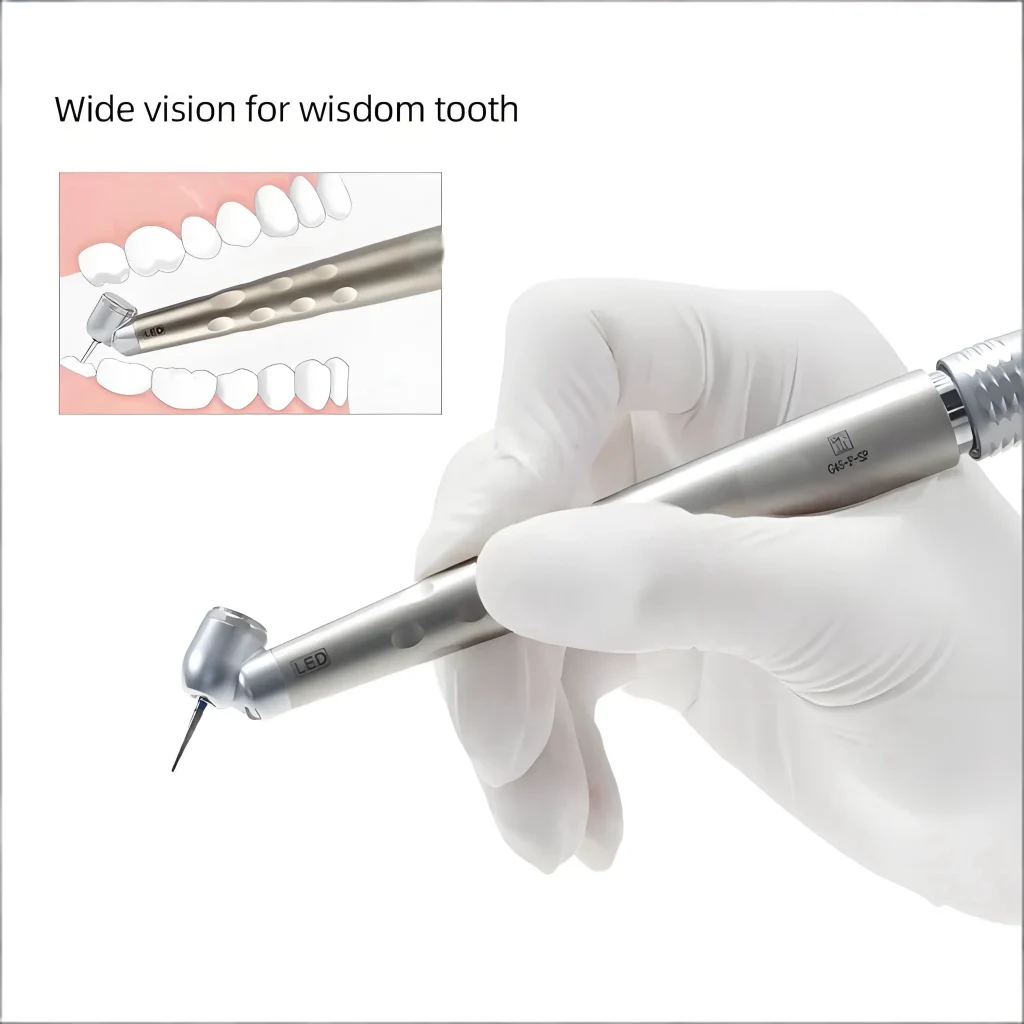
1.2 How Maintenance Ties to Dental Clinic Safety Standards
The Centers for Disease Control and Prevention (CDC) mandates strict maintenance and sterilization protocols for dental handpieces to prevent pathogen transmission. Proper care not only keeps your clinic compliant but also protects patients and staff. When paired with regularly serviced sterilizers and calibrated X-ray machines, well-maintained dental handpieces form a holistic safety net that builds patient trust.
Figure 1: Well-Maintained Dental Handpieces in a Clinic. Alt text: “Clean dental handpieces stored near a dental chair in a sterile dental clinic”
2. Daily Maintenance Routines for Dental Handpieces
2.1 Pre-Procedure Checks to Protect Dental Handpieces
Before each use, inspect your dental handpiece for visible damage—cracks in the casing, loose buttons, or frayed cords. Test the speed and torque to ensure consistent performance; a drop in power could indicate internal wear. For air-driven handpieces, check air pressure levels (ideal range: 30–40 psi) to avoid overworking the turbine. These quick checks take 60 seconds but prevent costly breakdowns during procedures, especially when paired with dental chairs that have integrated tool testing features.
2.2 Post-Procedure Cleaning: The First Step to Longevity
Immediately after use, wipe the dental handpiece with a disinfectant wipe to remove surface debris. For removable components (like burs), detach and soak them in a neutral-pH cleaner to dissolve saliva and dental material buildup. Avoid using harsh chemicals (e.g., bleach) as they corrode metal parts. This step is critical before sterilization, as debris left on the handpiece can damage internal mechanisms—even when run through high-temperature sterilizers.
2.3 Lubrication: Keeping Dental Handpieces Running Smoothly
Lubricate your dental handpiece after every 5–10 uses (or daily for high-volume clinics) to reduce friction between moving parts. Use only manufacturer-recommended lubricants (e.g., KaVo Handpiece Lubricant) to avoid damaging seals or turbines. For high-speed handpieces, apply 2–3 drops into the air inlet; for low-speed models, lubricate the drive mechanism and chuck. Run the handpiece for 10 seconds to distribute the lubricant evenly—this simple step extends lifespan by up to 50%.
3. Sterilization Best Practices for Dental Handpieces
3.1 Choosing the Right Sterilizer for Dental Handpieces
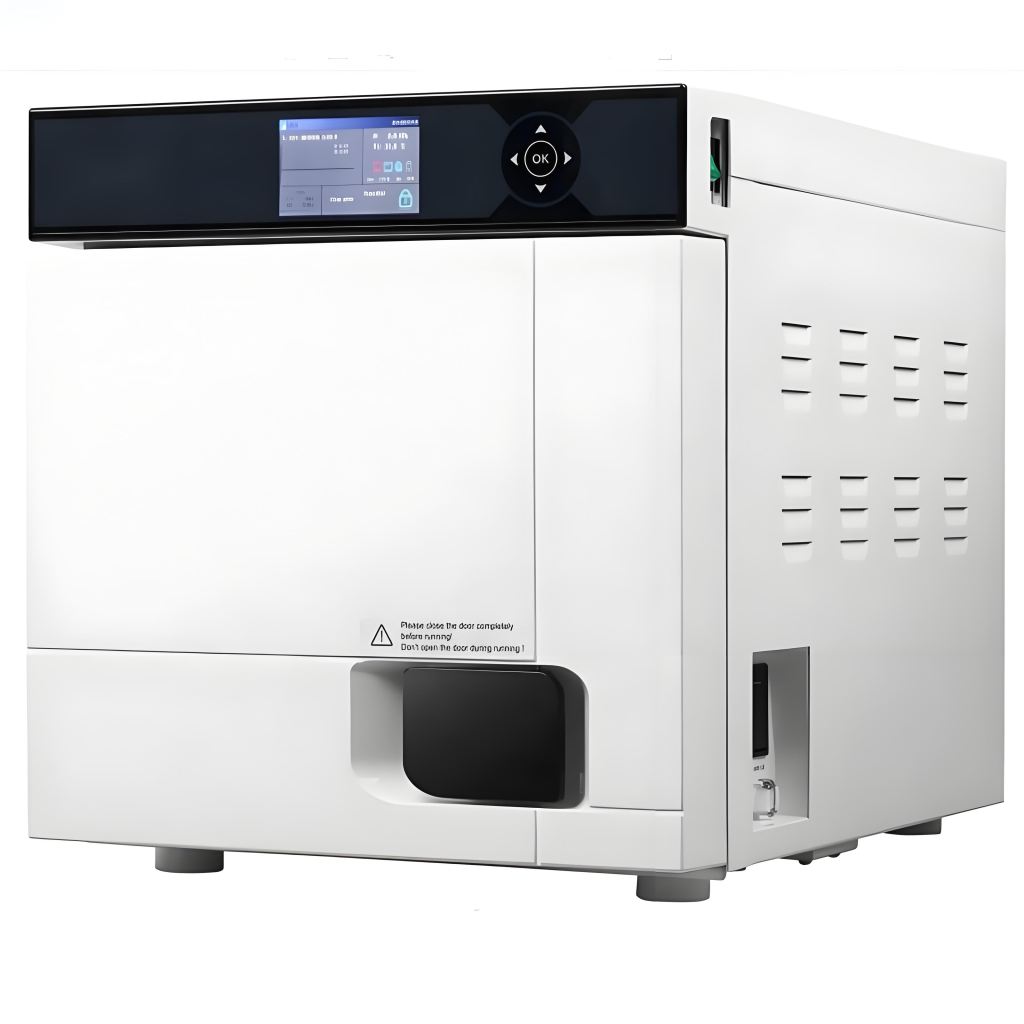
Not all sterilizers are compatible with dental handpieces—opt for FDA-cleared autoclaves (like the Midmark M11) that use steam under pressure. Avoid dry-heat sterilizers, as they reach temperatures too high for handpiece components. For clinics with multiple handpieces, consider a sterilizer with dedicated handpiece trays (e.g., Scican Statim 2000) to prevent damage during cycles. Always follow the handpiece manufacturer’s guidelines for sterilization time and temperature.
3.2 Step-by-Step Sterilization Process
- Disassemble the dental handpiece (if applicable) and remove all debris.
- Rinse with water to remove residual cleaner or lubricant.
- Place in a sterilization pouch with an indicator strip (to verify sterilization).
- Load into the autoclave, ensuring handpieces are not overcrowded.
- Run a full cycle (typically 18–25 minutes for steam sterilization).
- Allow handpieces to cool completely before storing—hot components can warp or attract moisture.
3.3 Post-Sterilization Storage to Maintain Cleanliness
Store sterilized dental handpieces in a sealed, dry container near dental chairs for easy access. Avoid storing them in tool trays with unsterilized equipment or near X-ray machines (radiation does not affect handpieces, but clutter increases contamination risk). For clinics using mobile dental chairs, invest in portable sterilization storage units to keep handpieces safe during transport between treatment rooms.
Figure 2: Dental Handpiece Sterilization Workflow. Alt text: “Dental professional following step-by-step sterilization for dental handpieces with a clinic sterilizer”
4. Syncing Dental Handpiece Maintenance with Other Clinic Equipment
4.1 Coordinating with Dental Chairs for Seamless Care
Dental chairs with integrated tool holders (e.g., Planmeca Sovereign Classic) keep handpieces secure and accessible, reducing damage from drops or misplacement. When performing routine dental chair maintenance (e.g., checking hydraulic systems), inspect the handpiece storage trays for wear or contamination. Ensure chair-side power outlets (for electric handpieces) are functioning properly—voltage fluctuations can damage handpiece motors.
4.2 X-Ray Machines: Indirect Maintenance Connections
While X-ray machines don’t directly interact with dental handpieces, their placement affects workflow and maintenance access. Position X-ray machines away from handpiece storage areas to avoid clutter, and ensure cables don’t tangle with handpiece cords. During X-ray machine calibration (recommended annually), take the opportunity to inspect nearby handpieces for damage—this cross-checking ensures all critical equipment is in top shape.
4.3 Sterilizer Maintenance to Support Handpiece Care
Regularly service your sterilizer to ensure it functions correctly—faulty sterilizers can leave dental handpieces contaminated. Schedule professional servicing at least once a year, and replace water filters monthly (for steam sterilizers). For clinics using large sterilizers, keep a log of maintenance dates to align with handpiece service schedules—this coordinated approach minimizes downtime for both equipment types.
5. Monthly and Annual Deep Maintenance Tasks
5.1 Monthly Inspection Checklist
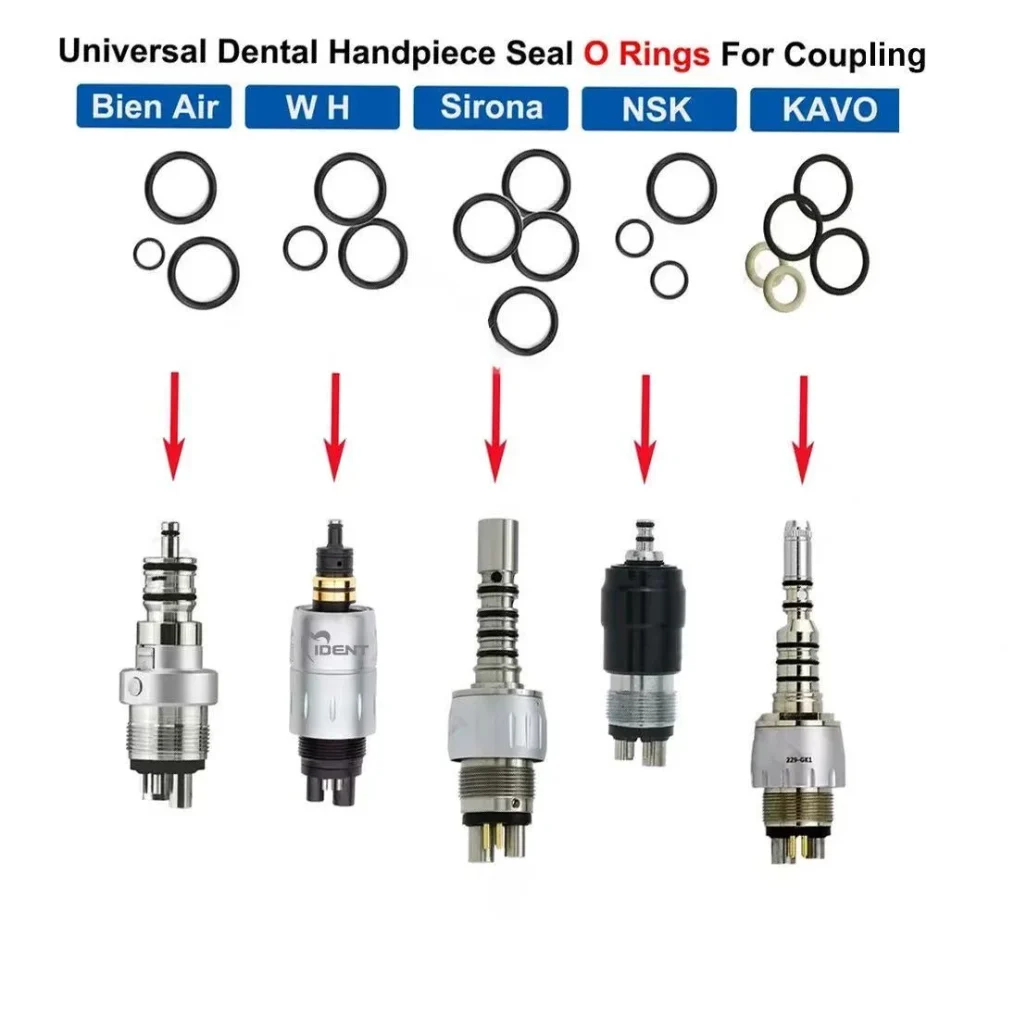
- Check for worn or damaged O-rings and replace as needed.
- Test handpiece speed using a tachometer (target: 200,000+ RPM for high-speed models).
- Inspect cords and hoses for cracks or leaks.
- Clean air and water lines connected to handpieces to prevent clogs.
- Verify that chuck mechanisms grip burs securely (loose chucks cause bur slippage).

5.2 Annual Professional Servicing
Even with diligent daily care, dental handpieces require professional servicing once a year. Certified technicians (e.g., from KaVo or Dentsply Sirona) disassemble the handpiece, clean internal components, replace worn parts (e.g., turbines, bearings), and recalibrate performance. This service extends handpiece lifespan by 2–3 years and ensures compliance with ADA standards. For dental clinics with 5+ handpieces, consider a service contract for discounted rates and priority scheduling.
5.3 Tracking Maintenance with Digital Tools
Use clinic management software (e.g., Dentrix) to log dental handpiece maintenance—record cleaning dates, lubrication, sterilization cycles, and professional services. Set automatic reminders for monthly inspections and annual servicing to avoid missed tasks. For multi-location clinics, sync maintenance logs across sites to ensure consistency in care, regardless of which dental chair or sterilizer a handpiece is used with.
6. Troubleshooting Common Dental Handpiece Issues
6.1 Low Speed or Torque
- Possible causes: Clogged air/water lines, worn turbine, or insufficient lubrication.
- Solutions: Clean lines, replace turbine (if needed), and lubricate per manufacturer guidelines.
6.2 Overheating
- Possible causes: Overuse, blocked air vents, or faulty motor.
- Solutions: Allow handpiece to cool, clean vents, and inspect motor for damage (replace if necessary).
6.3 Leaking Water or Air
- Possible causes: Damaged O-rings, loose connections, or cracked hoses.
- Solutions: Replace O-rings, tighten connections, and replace hoses if cracks are found.
6.4 Unusual Noise (Grinding or Whistling)
- Possible causes: Dry bearings, misaligned components, or debris in the turbine.
- Solutions: Lubricate bearings, disassemble and clean, or schedule professional servicing.
FAQ
Q1: How often should I replace my dental handpiece?
A: With proper maintenance, high-quality dental handpieces last 5–7 years. Replace sooner if you notice consistent performance issues (e.g., reduced speed, frequent overheating) or if repairs cost more than 50% of a new handpiece. For high-volume dental clinics, consider rotating handpieces to distribute wear.
Q2: Can I use generic lubricants for my dental handpiece?
A: No—generic lubricants may contain ingredients that damage handpiece seals, turbines, or bearings. Always use lubricants recommended by the handpiece manufacturer to ensure compatibility and protect warranty coverage.
Q3: What’s the difference between cleaning and sterilizing dental handpieces?
A: Cleaning removes debris and surface bacteria (done post-procedure with wipes or cleaners), while sterilization eliminates all pathogens (done via autoclave). Both steps are required—cleaning prepares the handpiece for sterilization, as debris can shield bacteria from sterilizing agents.
Q4: How do I train my staff to properly maintain dental handpieces?
A: Provide hands-on training using manufacturer guides and CDC protocols. Create a step-by-step maintenance checklist for daily, weekly, and monthly tasks. Schedule annual refresher courses, and assign a staff member to oversee maintenance logs. For complex tasks (e.g., disassembly), bring in a manufacturer representative for demo sessions.
Q5: Do dental handpieces need maintenance if they’re rarely used?
A: Yes—even unused dental handpieces require monthly lubrication and sterilization to prevent moisture buildup and corrosion. Store unused handpieces in a dry, sealed container, and run a test cycle every 3 months to keep internal components functional.